
Why Generic Gym Ads Fail and How to Improve Them
A gym advertisement needs to give the right local person a reason to consider joining. A stock image and a broad fitness promise rarely explain what membership will actually feel like.
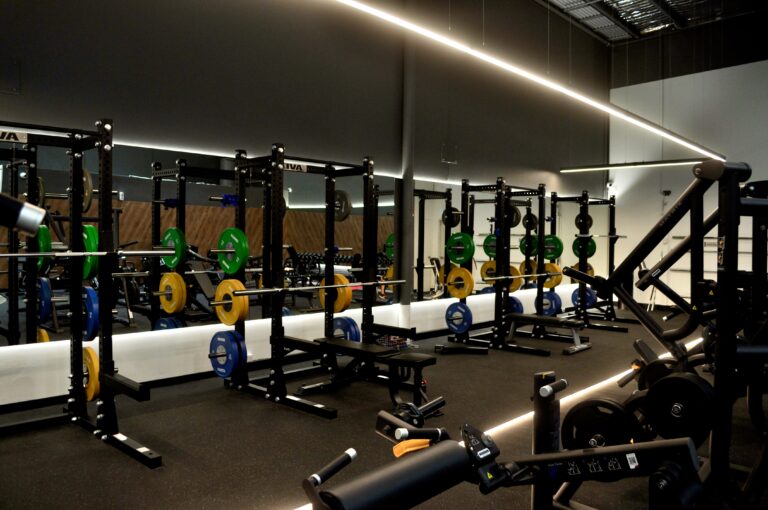
A gym advertisement needs to give the right local person a reason to consider joining. A stock image and a broad fitness promise rarely explain what membership will actually feel like.
Start with the member decision
Define which potential members the gym is equipped to serve and what stops them taking the next step. Someone returning to exercise may need reassurance about getting started. A confident lifter may want to understand equipment, access and training conditions.
Choose a message around a real need rather than writing one advertisement for everyone. Keep the offer consistent with the gym experience so new members are not disappointed after the first visit.
Show an experience people can assess
Use photographs and video that explain the facility, coaching, classes or first visit. Real content can help people recognise the environment, but it does not automatically outperform every other creative approach. Test it against the campaign objective.
Use member stories only with appropriate permission and avoid implying that an individual result is guaranteed. Stock photography can illustrate a topic, but should not be presented as a photograph of the actual gym or its members.
Make the offer specific
Explain what the next step includes, who it suits and any material conditions. A tour, introductory session or membership conversation can reduce uncertainty without relying on a deep discount. Match the offer to the gym’s capacity to follow through.
For example, an invitation to see the strength equipment and discuss access arrangements gives a visitor a clearer expectation than a generic promise to transform their life. Treat this as a messaging example, not a claim about a particular facility.
Keep the advertisement and landing page connected
Repeat the core message on the destination page. Show the location, relevant facilities, offer details and a straightforward way to enquire. If a visitor needs to search the entire website to understand the offer, the campaign has created avoidable work.
Plan the response as part of the creative journey. The person answering the enquiry should know which offer prompted it, what was promised and how to arrange the next step.
Test a meaningful difference
Compare distinct concepts, such as beginner reassurance versus facility access, while holding other major variables reasonably consistent. Then investigate why a concept attracts suitable enquiries. Minor colour changes are unlikely to resolve an unclear offer.
Review lead quality, appointments, attendance and memberships alongside click and form metrics. An advertisement that attracts curiosity may look efficient in-platform while delivering few people who are likely to join.
Fix creative within the complete journey
Creative is one part of the result. Gym geo-targeting determines where campaigns try to reach people, while marketing budget decisions should reflect acquisition costs and member value. Diagnose the stage that needs improvement before commissioning more advertisements.
Breaden Media applies One Journey by understanding the gym, its prospective members and goals, then coordinating messaging, paid socials, the website and follow-up under one direction. Ongoing Meta and Google advertising have a minimum three-month commitment.
Frequently asked questions
Are real gym photos always better?
No. Relevant real imagery can build confidence, but quality, message and audience fit matter. Assess outcomes through testing rather than assuming a format must win.
Should every gym advertise discounts?
No. The offer should fit the business and the member decision. A clear introduction to the experience may be more appropriate than reducing the price.